A groundbreaking technological advancement from researchers at the Norwegian University of Science and Technology (NTNU) is transforming industrial energy waste into valuable resources. This innovative approach addresses two significant concerns: the massive waste of industrial heat and the contamination of water produced during industrial processes.
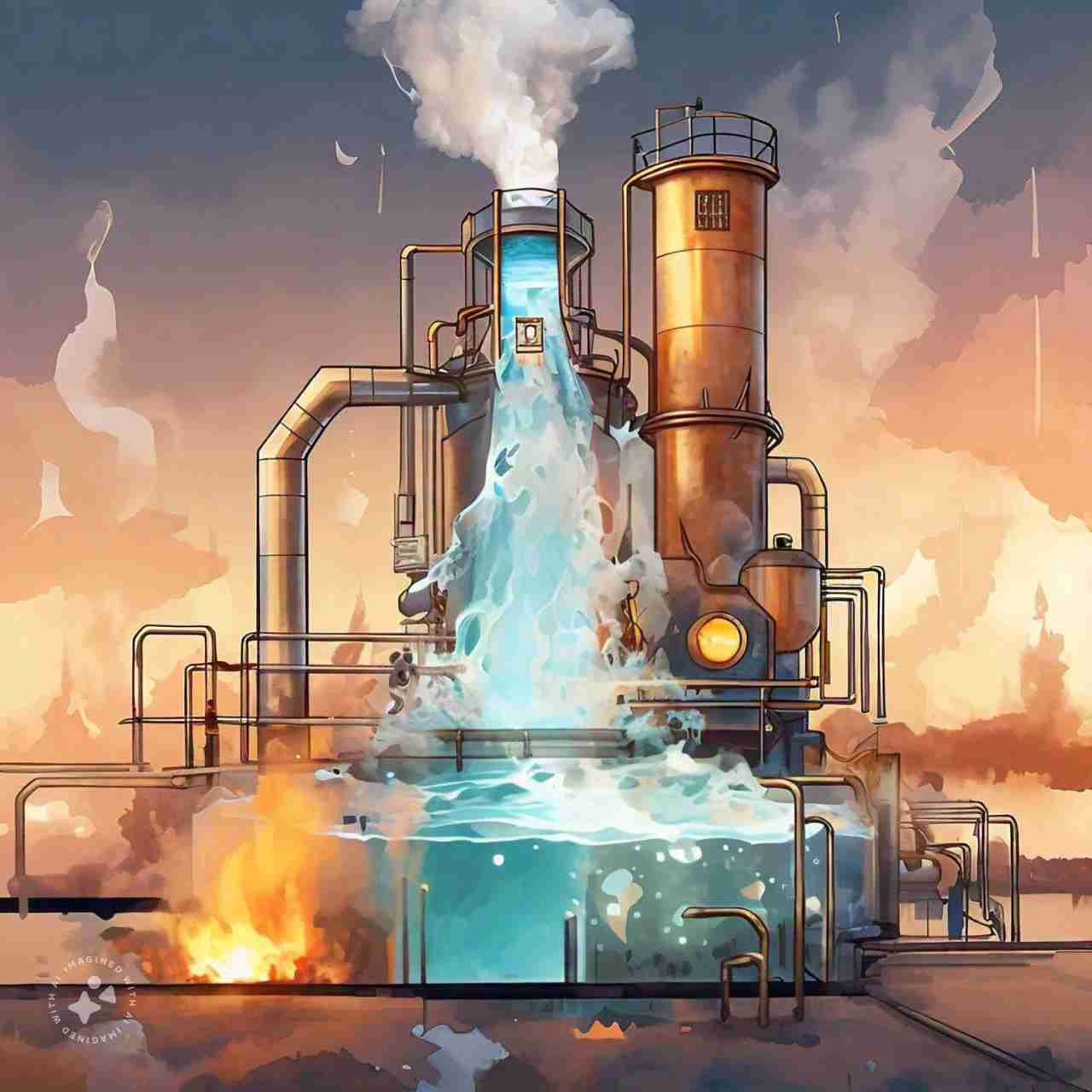
Industrial heat is a substantial contributor to global energy consumption, with Norway alone releasing approximately 20 terawatt-hours (TWh) of waste heat annually—equivalent to half of the energy needed to heat Norwegian households. The novel technology utilizes this surplus heat to purify contaminated industrial water. By evaporating the impure water through a specially designed water-repellent membrane, researchers are able to capture the condensed water as clean, drinkable product.
Dr. Kim Kristiansen, a lead researcher at NTNU, has dedicated years to understanding how temperature differences affect membrane performance. This research has led to theoretical models that predict membrane behavior and validate them through lab work. While Norway enjoys relatively easy access to pure water, this technology holds tremendous potential for industrialized nations facing global water supply challenges.
However, the transition from research lab to industry has been sluggish. The technology, originally inspired by earlier work at the TNO laboratory in the Netherlands, requires greater recognition and support from industrial sectors that stand to benefit. Membrane technology has historically struggled with lifespan issues in harsh industrial settings, but Kristiansen emphasizes that significant efforts are underway to improve its reliability and commercial viability.
As global water scarcity becomes an increasing concern, innovations like this bring hope for sustainable solutions to meet both energy and water needs. The future of this technology could pave the way for its broader application across various industries, demonstrating how waste can be transformed into essential resources.